For any of you who spend a lot of time on your feet you understand how important your shoes are. Just standing during an eight hour shift at work can leave not only your feet hurting, but also your back, knees, and hips. Your shoes are the base of your support when you are on your feet which means they can make a world of difference on how you feel at the end of a long day. Whether you are an avid runner like me, or just have to be on your feet at work, it is important to know the difference between supportive shoes and neutral shoes. Why you might ask? Well the answer is simply we aren’t all the same and if someone who needs neutral shoes wears supportive shoes they could wind up injured from being over corrected. Who know too much support could be bad? The same goes for people who should be wearing supportive shoes! If you need extra support you better make sure you have it because injuries aren’t fun. You’re probably wondering how the heck you know if you need supportive vs neutral shoes. Well I’ll get to that, but you’ll have to keep reading!
Like you I knew nothing about this before I started running, but I quickly learned that I couldn’t just pick the cutest pair of running shoes at the store and be fine. Shortly after I started running, my knees started to hurt a lot! Neither of my parents were runners so they figured I would be fine just running in the clearance section tennis shoes that I already owned, but this was not the case. Luckily there are running shoe stores that specialize in helping you find what shoes fit your needs the best. One of the other parents on the team told my mom about a store like this in Greenwood so we went up and found a new pair of shoes that were a better fit for me.
The process of finding the right pair of running shoes for me was a lot more complex than I ever could have imagined. When we walked into the store, we were instantly greeted by one of the workers and they asked why were visiting. I explained that I was having some knee pain when I run and wanted to make sure I was wearing the right shoes. The first thing they did was have me pick a pair of shoes I liked off the wall of shoes they had displayed. Then they measured my foot to make sure I was wearing the correct size and went and got a pair of the shoes I picked from the back. Once I had that pair of shoes on, they had me get on the treadmill that they had set up in the back of the store and turned on a video camera that was set up behind the treadmill to record how I ran. I didn’t understand why they needed to watch me run to know what kind of shoes I needed, but the worker explained that everyone’s stride is different and everyone’s feet land on the ground differently. Some people’s ankles roll either inward or outward, which is called overpronation or supination (under-pronation) depending on which way the ankle rolls. Knowing whether or not I overpronate/supinate would tell the worker if I needed supportive or neutral shoes. After watching me run the worker told me that I didn’t overpronate or supinate so I needed to stick to the neutral shoes and she showed me were they were on the wall. I tried on a few different pairs and eventually picked out a pair of Asics! After switching shoes, my knees quickly stopped hurting and running became a lot easier for me. I continued to run in Asics through middle school, but switched to the Nike Pegasus, another pair of neutral shoes, when I got to high school.
It wasn’t until a few years later when I started working at a Saucony shoe store that I fully understood what all those fancy words (overpronation and supination) really meant. Once you understand what these words mean and how to tell if you do either, you will be able to pick a pair of shoes better designed for you!
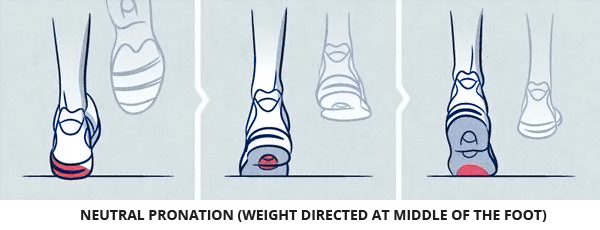
So to start, pronation is the way your feet move from side to side when you walk or run. Ideally you want your foot to roll inward slightly, but if it rolls in too much it is called overpronation which can cause a lot of problems. It is also possible for your ankle to roll too far out which is called supination. I’ll start by describing what overpronation is and how you can tell whether or not you overpronate. I will also share some shoes that are good for people who overpronate. When you run or walk your ankle curves in slightly in order to absorb some of the shock, but people with flat feet or a muscle imbalance tend to over correct which can lead to other issues. Normal pronation should look something like this:
If you overpronate then it will look more like this:
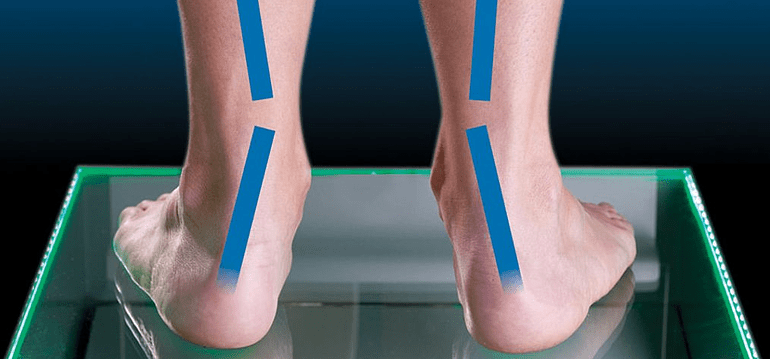
The best way, in my opinion, to decide if you overpronate would be to have someone videotape you as you walk. Make sure the focus is on your feet and that they are behind you. Once the video has started walking away from the camera and then turn and walk back. After that do the same thing at a run. Once you have the videos watch them through and see if you can tell if your ankles roll in a noticeable amount. If you can’t tell from watching the video at normal speed try watching it in slow motion because the movement should be more noticable. If you do not feel comfortable making this decision on your own, you can always go to a specialty running store and have them test you. If you find out that you do pronate there are a few things you can do to help correct it. If it isn’t too bad you can probably get inserts to fix it. If it is more severe certain types of shoes are designed to help correct the problem. Here are some shoes that I would recommend.
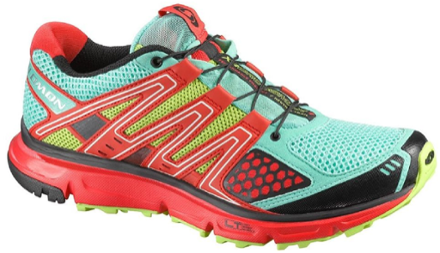
Salomon XR Mission: This shoe was designed as a trail running shoe, but was built for people who need more support which is great if you over pronate.
New Balance 870V4: While this shoe doesn’t have quite as much support as the Salomon XR Mission, it still is pretty close and has great reviews! Another plus to this style is it was designed as a normal running shoe so it won’t be as bulky as a trail shoe would be.

Nike LunarGlide 8: Don’t you worry, Nike makes a supportive shoe that is great for anyone who overpronates! The LunarGlides will be slightly less corrective than the previous two shoes that I mentioned, but still a great option.
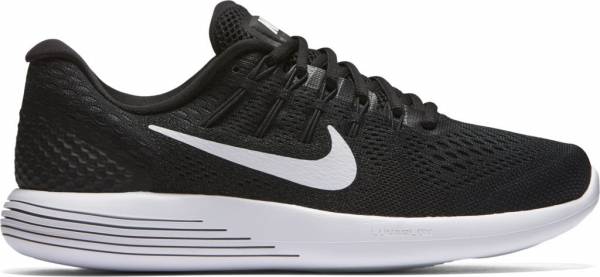
There are a ton more brand and style options for people that overpronate like, Sauconys, Adidas, and Asics. So if you do overpronate, don’t be afraid to do some research on what shoes were designed specifically for correcting that and then take you time and shop around! You never know where you will find the perfect pair of shoes for you!
If you do overpronate and don’t get it treated it can lead to injuries, which is never good! One of the more common injuries that accompanies overpronation is shin splints. Most runners experience shin splints at some point in their career, but being in the wrong pair of shoes could be the cause! Overpronating is not the only reason for shin splints, so don’t assume that you are suddenly overpronating just because you have shin splints. A few other injuries that can be caused by overpronation are, pain in the top of the foot and knee pain. No one wants to deal with these issues, so if having the right pair of shoes can prevent them, I’d say it’s worth figuring out what kind you need!
Now that you know what overpronation is, im going to explain supination. Supination is basically the opposite of pronation, which means instead of your ankle rolling in toward the sole of your foot, it rolls outward placing extra stress on the outside of the foot and the little toes. It would look similar to this:
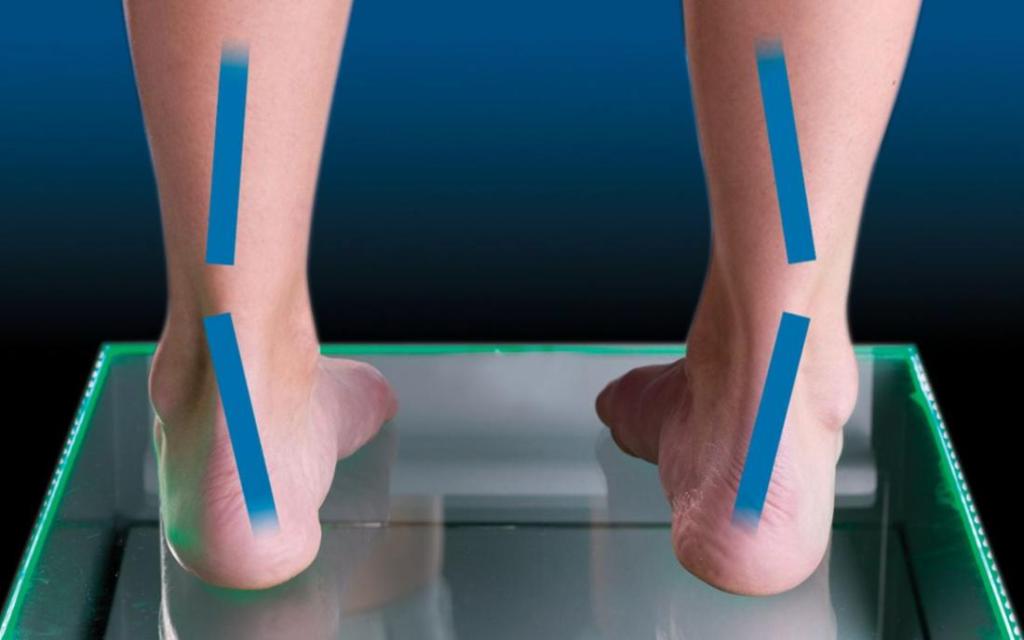
So when you do your video test it is also important to look and see if you are supinating instead of overpronating. Supination is also accompanied by injuries like overpronation. Some that you might experience are ankle pain/ injury, IT band issues, tendonitis in the Achilles, or plantar fasciitis. Luckily, if you are someone who supinates there is something you can do that can help. Can you guess what it is? You got it! Make sure you are wearing the right shoes. Shoes that have a lot of cushion and move easily are highly recommended for anyone who supinates. Here are some of the best shoes for people who supinate.
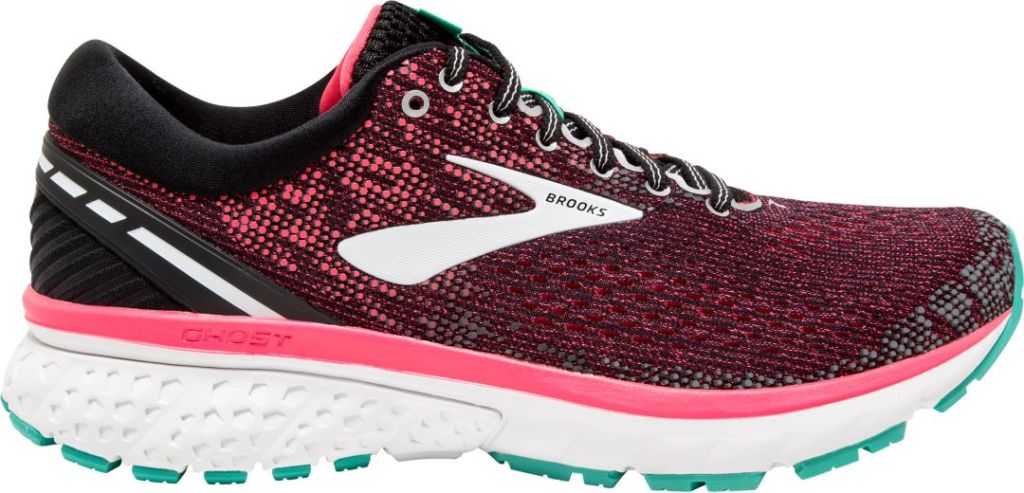
Brooks Ghost 11: This running shoes was designed for people with high arches, which just so happens to be a major cause of supination. Another plus to these shoes is they were made to have some bounce back or springiness to them which is always helpful while running!
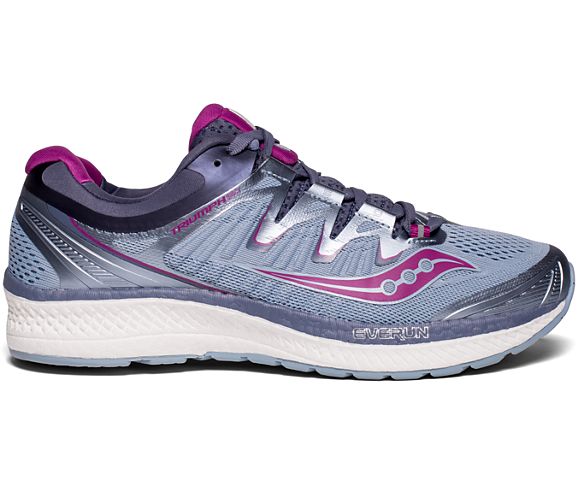
Saucony Triumph ISO4: These are a great choice if you have mildly high arches. They are super comfortable, trust me I wore them when I worked at Saucony. The way they are made allows them to adapt to you foot, so over time they feel like they were just made for you!
Nike Zoom Vomero 13: If you are out there training for a half or a full marathon like me, these are the shoe for you! Nike is great at creating shoes with a lot of support, plus Nikes have never done me wrong.
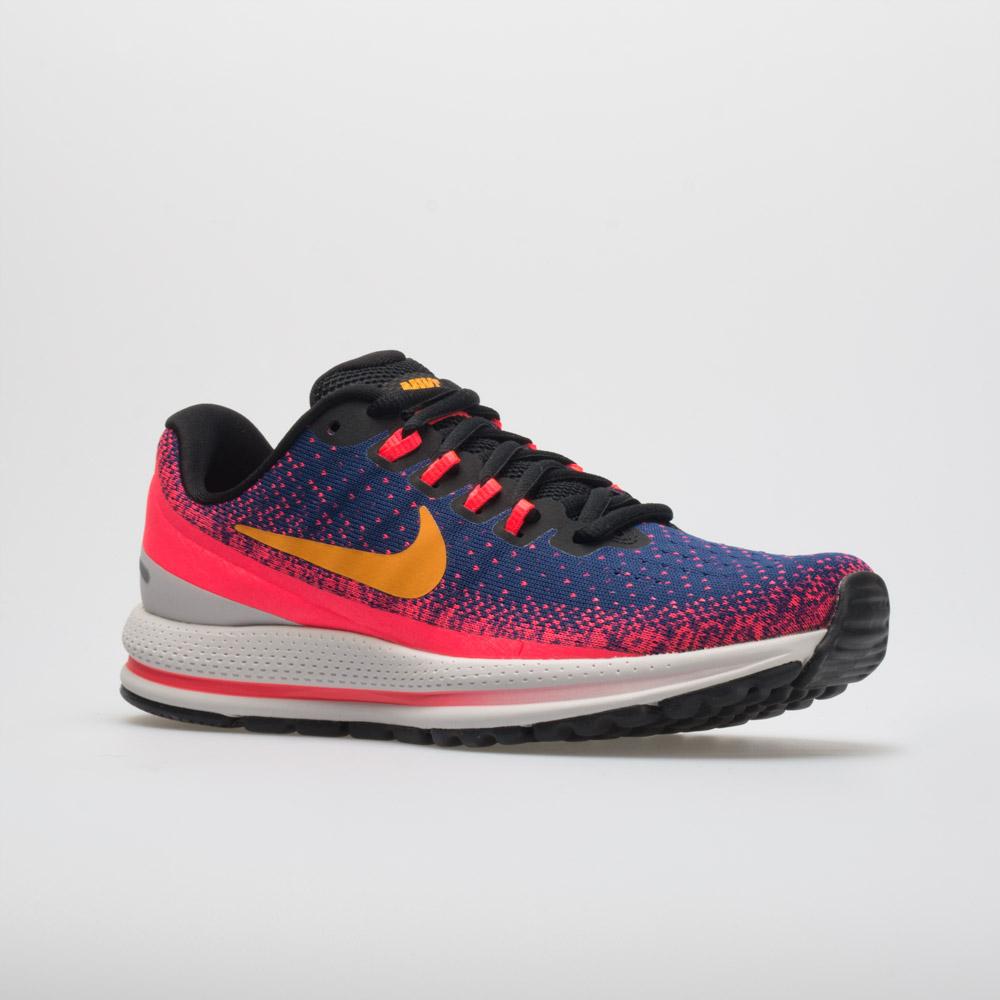
Again, don’t think these are the only pairs of shoes out there that people who supinate can wear. If you want to see more options just google the best shoes for people who supinate and there are a ton of articles from running magazines that have created lists. When it comes down to it though, you need to find a shoe that is the most comfortable to you so don’t feel like you need the #1 ranked shoe for supination or overpronation. Take the time to go to a shoe store and try on a few different styles. I promise you won’t regret it!
If you are lucky, you pronate a normal amount and need a neutral shoe. What I mean by neutral shoe is a shoe that wasn’t designed to correct your footing at all. They still have plenty of support and cushion, but they aren’t trying to keep your foot from rolling too far in or out. My favorite pair of neutral shoes is Nike’s Zoom Pegasus. I have been running in them for about 6 years now and have had a ton of pairs of them. Plus they come in a ton of different colors which is always nice when you have to buy new running shoes every 3-4 months.
Hopefully now you have a better understanding of what pronation is and are on your way to figuring out what type of shoe is best for you to be wearing. Like I said there are a ton of brand and style options out there so take the time to find a good fit for you! Even if you aren’t someone who runs or worksout a lot, people in general spend a lot of time on their feet, so it’s important to take care of them! I highly recommend going into a specialty running store, even if you are just a walker, to see whether they recommend you wear supportive or neutral shoes! The experience is well worth it and the people who work in that type of store are usually super passionate about what they do! Well I think I’ve said enough, go find yourself a nice pair of tennis shoes!
 Sole Mate Shoes